The Half of Immersion That Gets Ignored
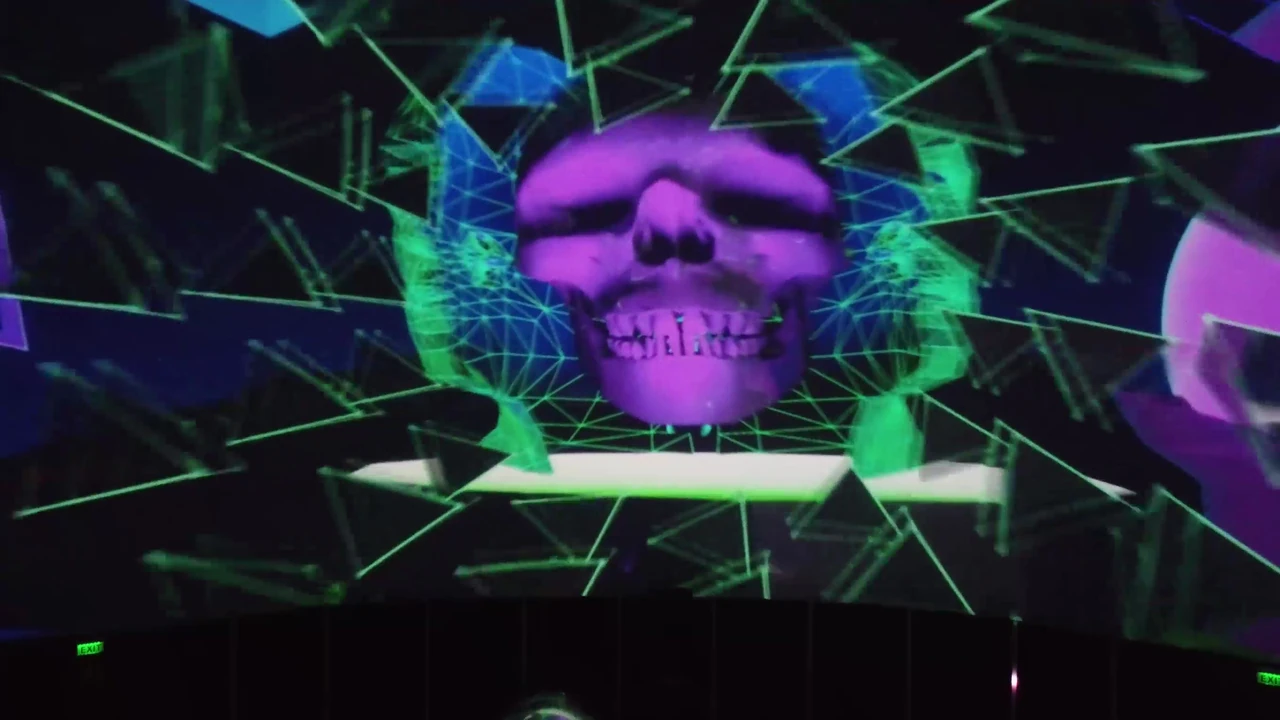
Event production briefs for immersive experiences almost universally lead with visual technology. Dome projection systems, LED specifications, holographic display formats — the visual medium receives the majority of the budget, the creative attention, and the production investment.
This is a fundamental error. Human experience is not primarily visual. The sense of presence — the feeling of being somewhere rather than watching something — is created by the integration of multiple sensory inputs, of which sound is arguably the most powerful. The spatial quality of audio, its directional information and environmental character, is what convinces the brain that an experience is real or fictional, near or far, inside or outside.
Immersive experiences with extraordinary visual production and conventional stereo audio consistently underperform those with equal visual quality and purpose-designed spatial audio. The sound environment is 50 percent of the immersive experience — and it is the 50 percent most often underinvested.
What Is Spatial Audio?
Spatial audio is a category of audio reproduction technology that conveys three-dimensional sound field information — the apparent direction, distance, and environmental characteristics of sound sources — to the listener. Where conventional stereo audio creates a two-dimensional sound image between two speakers, spatial audio systems create a complete three-dimensional sound environment in which sounds appear to come from specific positions in the space around the listener.
The most common spatial audio formats in immersive event production are Dolby Atmos, which uses both channel-based and object-based audio to place sounds precisely in three-dimensional space; ambisonics, which captures and reproduces a complete spherical sound field and is particularly well-suited to dome environments; and bespoke speaker array systems designed for specific venues, using large numbers of individually addressable speaker channels to create precisely localized sound environments.
Spatial Audio in Dome Shows
The dome environment is ideally suited to spatial audio. The spherical geometry that makes dome projection uniquely immersive visually creates an equally compelling acoustic geometry when speakers are correctly positioned. A full-sphere speaker array inside a dome — with speakers distributed across the dome's interior surface at multiple vertical angles — creates a three-dimensional sound field that envelops the audience from all directions simultaneously.
Dome spatial audio can create sounds that appear to move through the dome space with physical presence: rain that begins directly overhead and moves to the periphery, crowd sounds that emerge from a specific direction and spread through the space, musical performances that place individual instruments at distinct positions in the dome's sphere. These effects are experienced as fundamentally more real and more immersive than the same audio content played in stereo.
Spatial Audio for Outdoor Events and Building Mapping
For outdoor large-scale events — building projection mapping shows, outdoor festivals, public installations — spatial audio systems use distributed speaker arrays positioned throughout the audience area to create directionalized sound that correlates with the visual content on screen. A dragon that appears to fly from the left side of a projected facade to the right is accompanied by a roar that moves spatially from the left speaker array to the right.
The challenge in outdoor spatial audio is weather and ambient noise. Wind, traffic, and crowd noise compete with the audio system output and can disrupt the spatial illusion. Experienced spatial audio designers adjust system tuning and content mix to maintain the spatial character of the sound even in noisy outdoor environments.
Budget Allocation for Spatial Audio
A rule of thumb in immersive event production is to allocate 20 to 30 percent of the AV budget to audio, with spatial audio systems and content receiving proportionate investment to the visual components. In practice, audio consistently receives less than this, and the experiential quality is reduced as a result.
NewMedia designs and produces spatial audio systems for all of our dome, projection mapping, and holographic productions as an integrated part of the production scope. We do not treat audio as an afterthought or subcontract it to a separate supplier. The sound world and the visual world are designed together, from the first creative session to the final technical rehearsal. Contact us at america@newmedia.events to discuss your spatial audio requirements.
.webp)